Seed Genebank Management
Major Activities and Procedures of Seed Genebank Operation
Seed genebank operations follow structured procedures to ensure the long-term conservation, viability, and availability of plant genetic resources for research, breeding, and future use.
Germplasm Acquisition and Registration
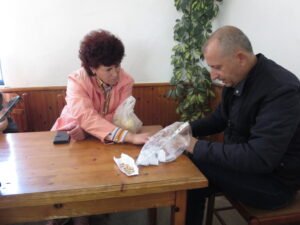
Registration is carried out when a sample first enters the genebank. Before registration, the sample is checked to ensure that it does not already exist in the collection and that the required passport information is available.
Passport data may include crop name, scientific name, collecting number, origin, collecting location, donor or acquisition source, and pedigree information for breeding materials.
Each accepted sample is assigned a unique accession number and recorded in the genebank database.
Seed Quality Management
Seed Cleaning
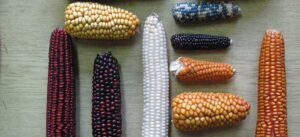
Seed cleaning involves removing debris, damaged seeds, infected seeds, and seeds of other species to improve seed quality before storage. Cleaning is done manually, and labels inside and outside the seed bags are checked to ensure correct identification.
Seed Drying
Seeds must be dried before storage to increase longevity. Seeds are dried in a drying chamber at controlled temperature and humidity until seed moisture content reaches approximately 3–7%. Drying time depends on the initial moisture content and may take from several days to a few weeks.
Seed Packaging and Storage
After drying, seeds are packaged in moisture-proof envelopes or laminated aluminium foil bags and labelled with accession number,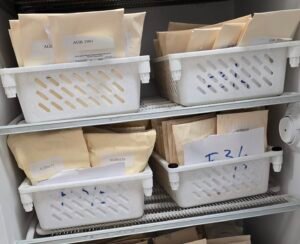 species name, storage date, and storage location.
Seeds are stored under controlled conditions:
- Base collection (long-term storage): −18°C
- Active collection (medium-term storage): 4–5°C
Seed Quality Testing and Monitoring
Seed viability is tested through germination tests before storage and periodically during storage to ensure that seeds remain viable. 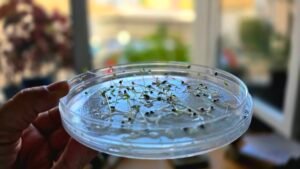 If germination percentage falls below acceptable levels or seed quantity becomes low, the accession is scheduled for regeneration.
Monitoring includes regular checking of seed viability and seed quantity to determine when regeneration is required.
Regeneration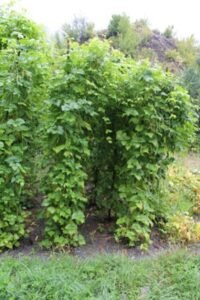
Regeneration is the process of growing plants from stored seeds and producing new seeds to maintain the accession when germination decreases or seed quantity becomes insufficient. Regeneration is carried out carefully to maintain the genetic characteristics of the original population.
Conservation Strategies
The genebank maintains base collections for long-term conservation and active collections for distribution, research, and breeding purposes. In addition, safety duplication is carried out by storing duplicate samples in another location for security backup.
Data Management and Documentation
All accessions are documented in the genebank database, including passport data, storage location, seed quantity, and monitoring information. The genebank also reports data to international databases and maintains inventory records.